
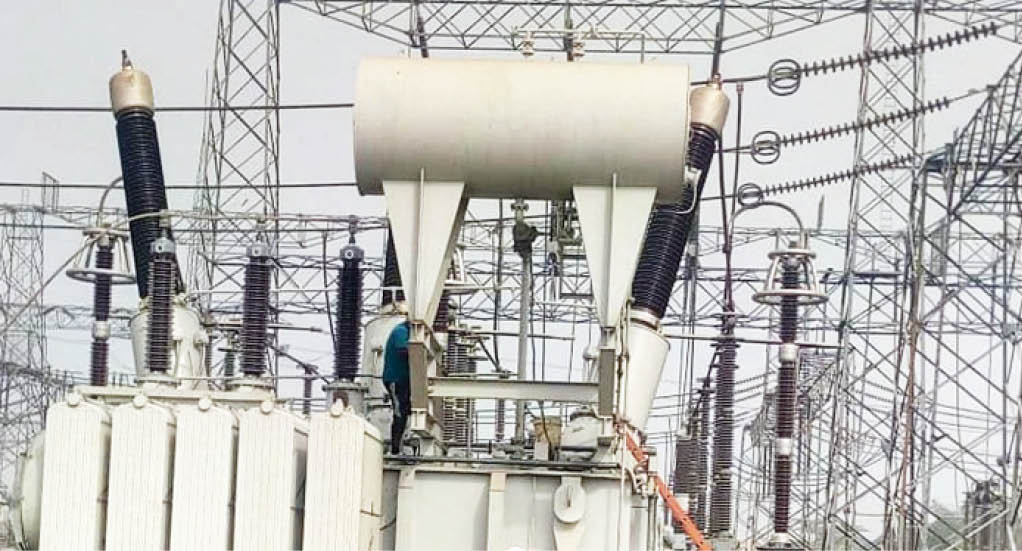
Nigeria’s electricity sector continues to struggle with chronic power shortages, leaving homes and businesses grappling with unreliable supply despite decades of investment. To address this, the Federal Government has proposed the Grid Asset Management Company Limited (GAMCO), a commercially structured entity designed to unlock underutilised generation capacity and strengthen transmission infrastructure across the country.
The Challenge
Despite an installed generation capacity of over 13,000MW, actual power delivered to the grid often fluctuates between 3,500MW and 5,000MW. This gap is due to several factors:
- Gas supply constraints affecting thermal plants.
- Transmission bottlenecks limiting evacuation of generated power.
- Poor maintenance at key facilities.
- Weak commercial frameworks, including non-bankable power purchase agreements.
As a result, many power plants built with public funds remain idle or operate well below capacity, while millions of Nigerians face frequent blackouts.
GAMCO: A Commercial Solution
The government approved the creation of GAMCO on March 4, 2026, with an 11-member committee inaugurated to oversee its incorporation. The committee includes ministers and energy experts tasked with evaluating legal, fiscal, and operational frameworks to ensure GAMCO’s success.
The company will operate as a commercial entity, fully owned by the Federal Government through Ministry of Finance Incorporated, and will focus on optimising existing assets rather than building new plants. GAMCO’s approach aims to recover stranded power efficiently and attract private investment, creating a revenue-generating infrastructure model.
Pilot Project: Benin–Lagos Corridor
The initiative will start with a pilot along the Benin–Lagos transmission corridor, Nigeria’s industrial and commercial heartland. Three major National Integrated Power Project (NIPP) plants are the focus:
- Omotosho Power Plant – 513MW installed capacity
- Olorunsogo Power Plant – 754MW installed capacity
- Ihovbor Power Plant – 508MW installed capacity
Collectively, these plants have 1,775MW installed but much of it remains underutilised. GAMCO aims to restore at least 1,600MW within 18–24 months by upgrading operations, securing firm gas supply contracts, and improving transmission infrastructure.
A key innovation is the development of a shared, high-capacity transmission corridor along the corridor, allowing multiple generators to feed the grid efficiently. This approach addresses historical bottlenecks where dedicated lines failed to evacuate electricity, causing generated power to go unused.
Financing and Partnerships
GAMCO will mobilise private capital through ring-fenced project financing. Each asset will have dedicated revenue streams, making the projects bankable without sovereign debt.
- Generation: NDPHC will grant GAMCO concession and lease arrangements for the selected NIPP plants.
- Transmission: TCN will allow GAMCO to develop a new corridor, with experienced international transmission operators managing operations.
The model leverages private and institutional investors, pension funds, and development finance partners, including the International Finance Corporation (IFC) and Africa50, to secure patient long-term capital at manageable interest rates.
Expert Views
Energy experts acknowledge GAMCO’s potential but caution on challenges. Inefficiencies across generation, transmission, and distribution companies have worsened the sector over decades.
GAMCO fills a unique role, providing private capital, firm gas contracts, and creditworthy offtakers while complementing existing institutions rather than replacing them. Recovering stranded capacity is faster, cheaper, and more practical than building new plants, with the three pilot NIPP plants capable of reaching 90% operational capacity within the proposed timeline.
Potential Impact
If successful, GAMCO could:
- Deliver reliable electricity to homes, businesses, and industries.
- Reduce reliance on self-generated power and costly generators.
- Lower energy costs for manufacturers and small businesses.
- Support economic growth and improve living standards.
The pilot could serve as a template for nationwide expansion, unlocking dormant electricity assets across other high-demand corridors and integrating renewable sources in the longer term.
Challenges Ahead
Financing, infrastructure upgrades, and coordination among power sector stakeholders remain critical. High domestic interest rates make local bank financing challenging, necessitating patient capital from international investors. Ensuring the transmission network can evacuate recovered power and that distribution companies can deliver electricity to consumers is vital for the initiative’s success.
Conclusion
GAMCO represents a bold commercial approach to Nigeria’s electricity problem: recover, optimise, and transmit stranded megawatts rather than waiting for new plants. With strategic execution, private investment, and regulatory alignment, the initiative could unlock 1,600MW within two years, transforming the nation’s power landscape and boosting economic productivity.