
Twelve State Assembly candidates who contested under the African Democratic Congress (ADC) have defected to the All Progressives Congress (APC), citing what they described as a lack of fairness, transparency, and justice within the ADC.
The defection was led by ARC. ZULKIFILU DALHATU YAHUZA (GARKUWAN MATASA) — The Defender of Youth, who recently moved from the ADC to the APC and led the Ward-level House of Assembly candidates in the political realignment.
Speaking on the development, Arc. Zulkifilu Dalhatu Yahuza (Garkuwan Matasa) said he expects more ADC members and candidates to join the APC in the coming days as political realignments continue ahead of the 2027 elections.
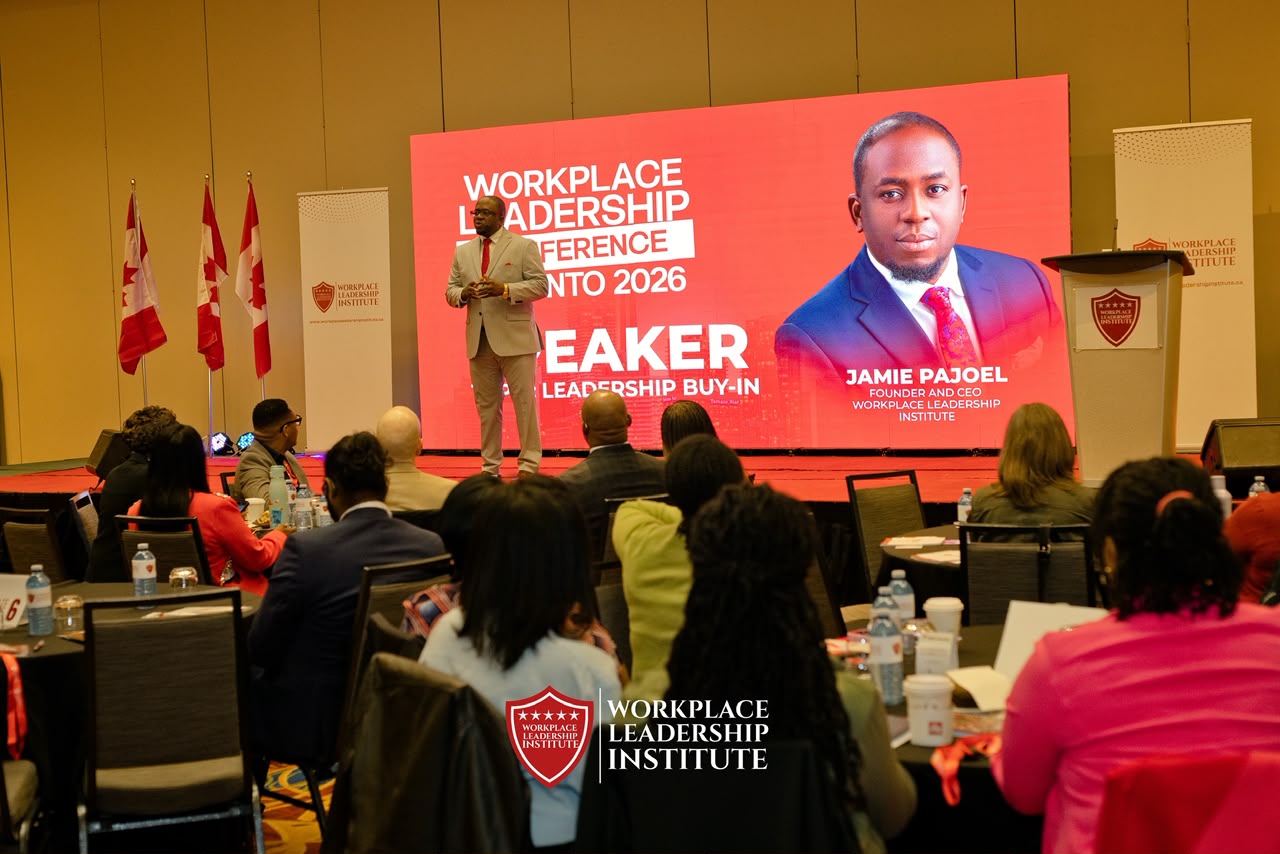
Workplace Leadership Institute Identifies Team Cohesion as Key to High Performance
The Workplace Leadership Institute has identified team cohesion as a critical factor in building high-performing organisations, urging leaders to pay greater attention to the culture, relationships and structures that determine how effectively employees work together. The Workplace Leadership Institute said strong individual performance alone does not guarantee effective teamwork, particularly where employees lack a shared sense of purpose and collective responsibility.
According to the Workplace Leadership Institute, organisations can strengthen team performance by developing a shared identity, creating opportunities for meaningful connection, encouraging collective ownership, establishing clear operating agreements and maintaining a strong focus on results. The Workplace Leadership Institute also highlighted continuous feedback and performance development as important elements in sustaining team effectiveness.
Facilitator and workplace leadership expert, Dr. Jamie Pajoel, said team cohesion cannot be assumed simply because talented employees have been brought together.
“A team becomes cohesive when people understand what they are collectively trying to achieve, trust one another enough to contribute fully and take responsibility for the success of the group. This requires deliberate leadership because cohesion is built through repeated experiences, shared standards and the way people work through challenges together,” Dr. Pajoel said.
The institute said a strong team identity can help employees develop a greater sense of belonging and pride in their collective contribution. Leaders can reinforce this by helping team members understand the distinctive role their team plays within the wider organisation and by recognising achievements that demonstrate effective collaboration.
It also highlighted the importance of creating opportunities for employees to build relationships beyond their immediate work assignments. According to the institute, stronger interpersonal connections can provide an important foundation for collaboration, particularly when teams encounter pressure, conflict or organisational change.
Shared external challenges can also contribute to team cohesion, the institute said. Teams can develop stronger collective identities when their energy is directed towards common challenges such as market competition, organisational transformation or demanding external standards.
The institute, however, cautioned against turning this into competition among colleagues. It said rivalry within teams can undermine collaboration, while a shared external challenge can encourage mutual reliance and collective commitment.
Decision-making was also identified as an important element of team cohesion. The institute said employees are more likely to support collective decisions when they believe their views have been genuinely considered and understand the reasoning behind the final outcome.
It said this does not require every employee to get their preferred outcome, but requires a decision-making process that provides meaningful opportunities for participation and creates clarity around the direction eventually adopted.
The institute further highlighted the value of formal team agreements that establish a team’s purpose, goals and operating principles.
Such agreements can provide clarity around communication, decision-making, roles, responsibilities and approaches to resolving disagreements. The institute said involving employees in developing these agreements can make them a shared commitment rather than instructions imposed by a team leader.
Beyond relationships and culture, the institute said cohesion must ultimately translate into performance. Maintaining a strong focus on tasks and results enables teams to assess their progress, compare current performance with previous outcomes and identify areas where additional capability may be required.
The institute also called for continuous monitoring and feedback, noting that effective performance assessment should consider both measurable output and the relational and cultural factors that can influence future results.
It said feedback should not flow only from leaders to employees. Team members should also have opportunities to provide feedback to leadership through team assessments, 360-degree feedback and open discussions about team effectiveness.
Dr. Pajoel said leaders should regard team development as an ongoing responsibility rather than an occasional intervention.
“Teams are living systems. They develop, they experience pressure, they go through change and they can either become stronger or weaker depending on how they are led through those transitions. Leaders must therefore treat team development as a continuous strategic discipline rather than an occasional intervention,” he said.
The Workplace Leadership Institute said high-performing teams are ultimately shaped by the combination of clear purpose, strong relationships, effective structures, shared accountability and continuous learning.
It said leaders must therefore look beyond whether teams are simply busy or producing some level of output and pay attention to whether the organisation is creating the conditions required for people to perform collectively at their full potential.