
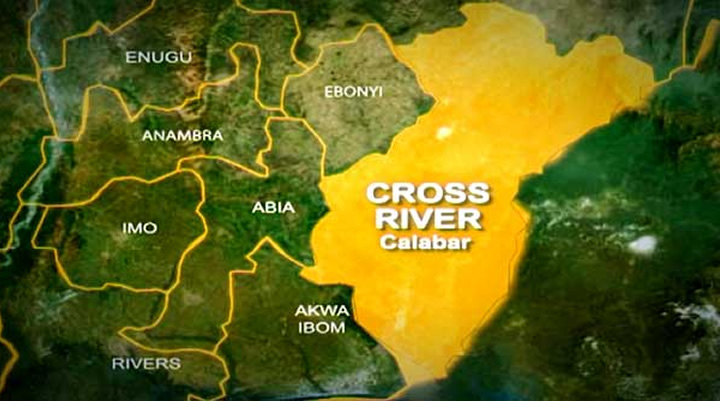
Calabar, Nigeria – April 29, 2025 — Residents of Atimbo and other parts of Calabar in Cross River State are calling on the state government to urgently tackle the growing menace of falling trees during rainstorms, which have increasingly led to damage of property and even loss of life.
The latest incident occurred on Monday evening when stormy winds accompanying heavy rainfall uprooted a large tree, crushing a parked Nissan Xterra Jeep. According to eyewitness Samuel Ekpenyong, the tree fell just moments before the vehicle’s owner could park inside her compound, narrowly escaping injury.
“This is one too many. We’ve seen this happen repeatedly in Calabar,” said Ekpenyong, describing how storm-damaged trees continue to destroy cars, homes, and public infrastructure.
The situation is not new. In late 2024, a tree fell along the Muritala Muhammed Highway, killing a lecturer from the University of Calabar who was traveling in a mini bus. Several other incidents have left large portions of the city without power, after fallen trees brought down electric poles and wires, damaging installations and blocking major roads.
Miss Ikaete Livinus, a resident, emphasized the need for proactive intervention from authorities. “There are many very old and oversized trees in Calabar metropolis. Some of them pose serious risks during storms. We need proper assessments before the rainy season gets into full swing.”
In response, the Commissioner for Environment, Mr. Moses Osogi, extended his sympathies to those affected and outlined current government efforts to mitigate the risk. He acknowledged that a unit within the ministry is tasked with identifying and removing hazardous trees.
“If you go around the city, you’ll see we’re cutting down the most dangerous ones. It’s a gradual process,” Osogi stated. He also advised residents to avoid parking near large trees during storms and urged the public to report any potentially dangerous trees to the ministry for evaluation and possible removal.
Despite ongoing efforts, many residents believe the pace of action is too slow to prevent further destruction, especially with the onset of the rainy season.