
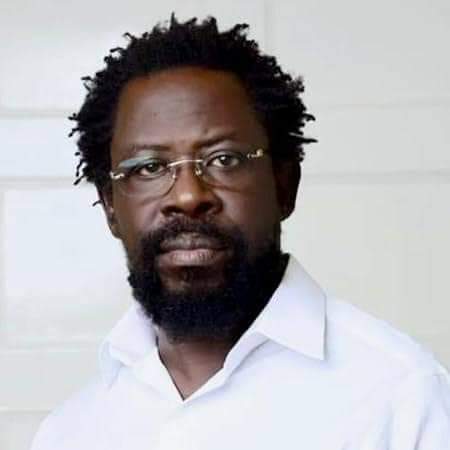
The Take It Back (TIB) Movement has affirmed its commitment to hold planned protests in multiple locations, including Ekiti, Lagos, Abuja, London, and Canada, despite directives from the Ekiti State Police Command banning public gatherings. The protests are in response to the detention of human rights lawyer Dele Farotimi over defamation and cybercrime allegations.
Police Directives and Opposition
The Ekiti State Police Command, citing security threats, banned protests, gatherings, and the use of fireworks in the state. Police spokesperson Abutu Sunday noted intelligence reports suggesting some individuals might exploit protests to incite violence.
However, TIB National Coordinator Juwon Sanyaolu dismissed the ban, arguing that peaceful protests are legal and the police lack the authority to proscribe them. He condemned the police’s actions, calling them “lawless” and accusing them of a conspiracy with the judiciary in Farotimi’s detention.
The Case Against Farotimi
Dele Farotimi was arrested in Lagos and arraigned in Ekiti following a petition by elder statesman Aare Afe Babalola (SAN), founder of Afe Babalola University. The petition accused Farotimi of defaming Babalola in his book Nigeria and its Criminal Justice System.
Farotimi was remanded in custody by Chief Magistrate Abayomi Adeosun, who adjourned the case until December 10, 2024. Fresh cybercrime charges have also been filed against Farotimi, with police alleging defamatory comments in an online interview on the Mic On Podcast hosted by Seun Okinbaloye.
Babalola’s legal team defended the petition, stating it was aimed at protecting his reputation and allowing the law to take its course.
Planned Protests
The TIB protests, set for December 10, 2024, are being organized under the banner of challenging “police impunity and judiciary conspiracy.” The group, convened by African Action Congress presidential candidate Omoyele Sowore, released a flyer calling for public participation in cities like Lagos, Ado-Ekiti, and Toronto.
Sowore, in a social media post, urged citizens to confront “oppression disguised as lawful action,” asserting that the power of the people would prevail over injustice.
Growing Tensions
This case underscores ongoing tensions between human rights activists and Nigeria’s judicial and law enforcement systems. Critics argue that the crackdown on protests and arrests of activists reflect deeper issues of authoritarianism, while proponents of the legal actions maintain the need to safeguard reputations and public order.
The protests, slated to coincide with the adjourned hearing date, are expected to test the limits of lawful dissent in Nigeria and abroad.