
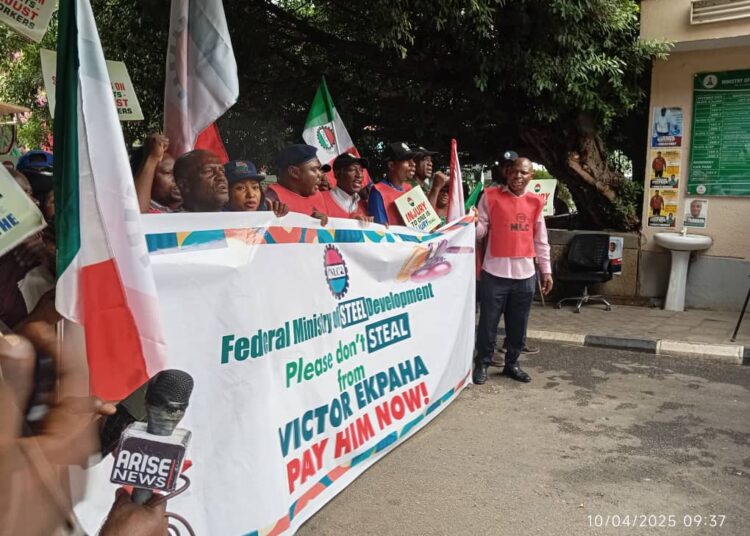
The Nigeria Social Insurance Trust Fund (NSITF) has moved to calm tensions with organised labour, assuring that deductions from the Employees’ Compensation Scheme will be reversed following protests by the Nigeria Labour Congress (NLC).
The assurance comes amid threats of a nationwide strike after the NLC accused the Federal Government of diverting 40 per cent of workers’ compensation contributions into the treasury. The union described the move as a breach of trust and a direct attack on workers’ social protection.
In a letter dated August 16, 2025, and addressed to the NLC, NSITF Managing Director Oluwaseun Faleye confirmed that deductions had been made from the fund but clarified they were part of a broader federal policy on revenue collection introduced in December 2023. The policy directed all government-owned enterprises to remit 50 per cent of their internally generated revenue to the Consolidated Revenue Fund.
Faleye stressed that the contributions made by employers to the Employees’ Compensation Scheme used to provide financial support for work-related injuries, illnesses, disabilities, or death should not have been subject to such deductions. He disclosed that following interventions earlier this year, the Accountant-General of the Federation had issued a directive halting further debits on employer contributions, while some earlier deductions had already been refunded.
“We have been assured that this matter will be addressed. Both the Minister of Finance and the Director-General of the Budget Office, in meetings held in August 2025, committed that no further deductions would be made from either contributions or investment proceeds,” Faleye stated.
The NLC has, however, maintained that it will not suspend its plans for industrial action until it is satisfied that workers’ funds are fully protected. Assistant General Secretary Christopher Onyeka told The PUNCH that the union’s executive council would meet to review NSITF’s letter before taking a decision.
“The contributions to NSITF are intended to compensate workers in the event of injury. They are not government revenue and should not be used for fiscal purposes,” Onyeka said. “Depleting these funds would compromise the agency’s ability to support workers when required.”
The NLC also raised concerns over the delay in constituting the Governing Board of the National Pension Commission (PenCom), describing the situation as unlawful and a potential risk to pension funds. The previous board was dissolved in June 2023, but despite new appointments at the management level, key board seats reserved for labour, employers, and pensioners remain vacant.
Labour leaders insist that the continued absence of a board undermines transparency and weakens oversight. “We demand the immediate constitution of the PenCom Board in full compliance with the law,” the NLC said in a recent statement.
Industry stakeholders, including the Nigeria Employers’ Consultative Association (NECA), have backed labour’s position, warning that the credibility of pension administration is at stake without proper governance structures.
Consumer rights advocates have urged dialogue over confrontation. “Everything is not about strikes but dispute resolution. Both parties should meet, table issues, and agree on an acceptable position before escalation,” said activist Moses Igbrude.
While NSITF has assured that workers’ funds remain safe and “ring-fenced,” the NLC’s next move will depend on the outcome of its review of the government’s assurances. With tensions still simmering, a final resolution could determine whether the country faces another round of nationwide industrial action in the coming weeks.