
Niamey, April 9, 2025 — In a significant departure from its colonial past, Niger’s military government has officially declared Hausa the country’s national language, shifting away from French, which has historically been a symbol of colonial influence. This change was formalized in a new charter released on March 31, published in a special edition of the government’s official journal.
The document states, “The national language is Hausa,” while also recognizing English and French as the country’s working languages.
Hausa, already the most widely spoken language in Niger, particularly in regions such as Zinder, Maradi, and Tahoua, is understood by the majority of the population. In contrast, only around 13% of Niger’s 26 million people can speak French, emphasizing the country’s strong cultural and linguistic ties to Hausa.
The new charter also acknowledges nine other local languages as “spoken languages of Niger,” including Zarma-Songhay, Fula, Kanuri, Gourmanche, and Arabic.
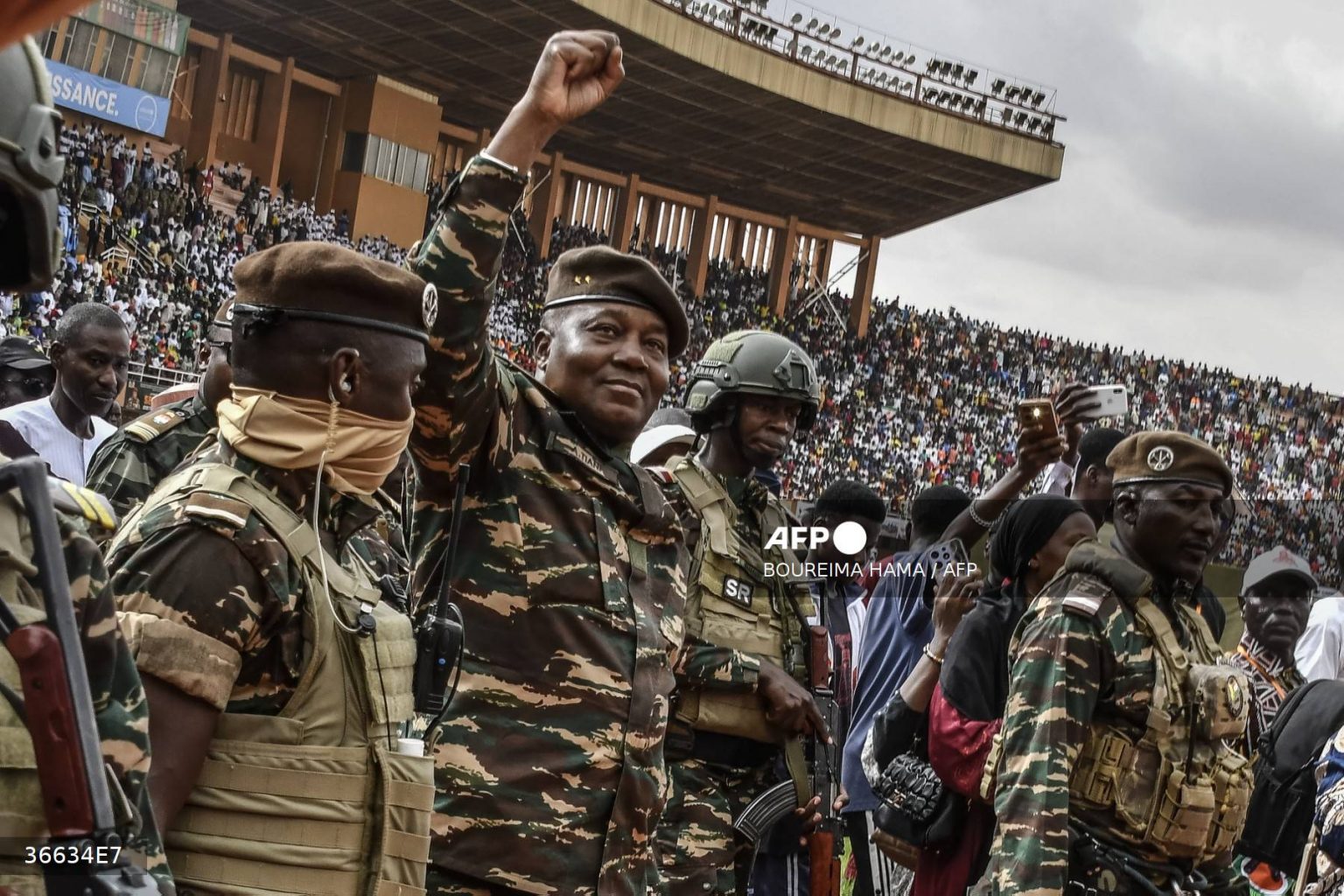
This move follows a national meeting in February, where the military government received broad support, and junta leader General Abdourahamane Tiani was granted approval to extend his rule for another five years. Since seizing power in a coup in July 2023, which ousted civilian President Mohamed Bazoum, the junta has made concerted efforts to sever ties with France, including expelling French troops, ending diplomatic relations, and renaming streets and buildings once associated with the colonial power.
Niger’s shift is part of a broader trend in West Africa, as countries like Mali and Burkina Faso, which also experienced military coups and share a colonial history with France, have taken similar steps. These nations have also withdrawn from the Organisation Internationale de la Francophonie, a global organization for French-speaking nations.
The adoption of Hausa as the national language marks a decisive step in reshaping Niger’s identity and its relationship with its colonial past, as the military government continues to consolidate power and redefine the country’s future direction.