
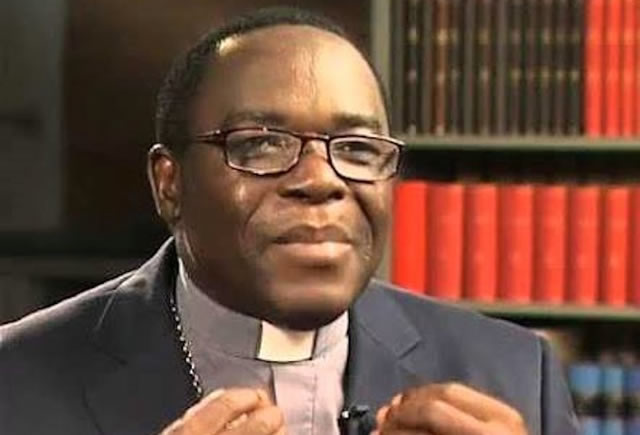
The Catholic Bishop of Sokoto Diocese, Bishop Hassan Kukah, has voiced his support for President Bola Tinubu’s proposed tax reform bills, describing them as a potential solution to curb financial recklessness among Nigeria’s elite.
Speaking on Channels Television’s Morning Brief program on Tuesday, the clergyman praised the reforms as a step toward better fiscal management and a remedy for the country’s financial mismanagement.
The tax reform bills, introduced to the National Assembly, have generated heated debate and faced opposition from various quarters, including lawmakers, state governors, and prominent political figures. Among the critics are former Vice President Atiku Abubakar, Borno State Governor Babagana Zulum, and former Sokoto State Governor Aminu Tambuwal.
Despite the controversy, Bishop Kukah expressed optimism about the reforms, emphasizing their potential to address systemic inefficiencies.
“Nigeria is a very energetic country with people who are exceptionally gifted and always ready to excel,” Kukah said. “However, our challenge lies in the inability of states to create platforms that harness the energy, vision, and competing narratives of their citizens. This lack of structure often results in violence.”
The bishop further noted the irony of a resource-rich nation grappling with the mismanagement of its wealth by the elite. “It is ironic that Nigerians, despite living in a richly endowed country, find themselves spectators to the rascality and irresponsibility of the elite who mismanage our resources,” he remarked.
Kukah believes the proposed reforms could mark the beginning of a long journey toward fiscal responsibility and national development. “These reforms should help transform the narrative and ensure the efficient management of our resources,” he said, expressing hope for a brighter future driven by accountability and sustainable progress.
The debate over the tax reform bills continues, reflecting the broader challenge of achieving consensus on policies aimed at overhauling Nigeria’s economic framework. However, Kukah’s endorsement adds a notable voice to the ongoing conversation about the nation’s fiscal direction.