
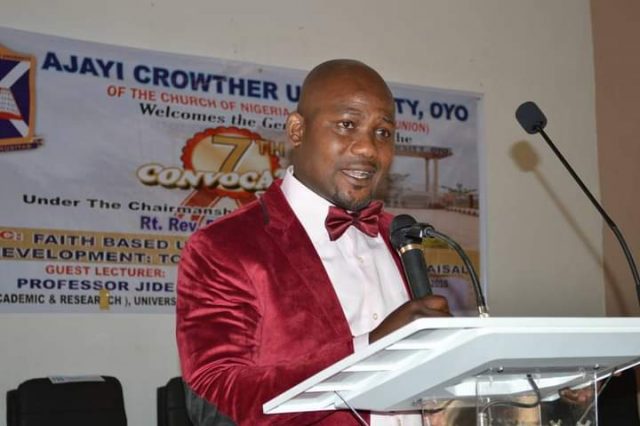
The Deputy Vice-Chancellor of Ajayi Crowther University, Oyo, Prof. Olumuyiwa Popoola, has highlighted the potential of Artificial Intelligence (AI) as a tool to revitalize endangered African languages. However, he cautioned against the risk of losing the core of African cultural identities if not carefully managed.
Speaking at the 2024 National Conference of the Yoruba Studies Association of Nigeria, held at Lagos State University, Ojo, on Tuesday, Prof. Popoola traced AI’s roots in Africa to ancient practices, long before its modern applications through computers.
He referenced the traditional use of scarecrows, often dressed in tattered clothing to scare birds away from crops, and the Osanyin communication medium, which he described as a tool used to unlock human secrets, noting these as early examples of AI-like practices.
Prof. Popoola explained that while AI faced several setbacks during its inception in Europe and America due to fears of its negative impact on human intelligence, significant breakthroughs, such as the defeat of a chess grandmaster by a computer in 1997, marked AI’s rise.
Despite the technological advancements, Prof. Popoola stressed that the increasing integration of AI into human life presents both opportunities and challenges for Africa, particularly in preserving its cultural heritage. He urged caution, noting that AI, if not carefully controlled, could erode cultural identities.
“The invention of AI raises concerns about whether machines will eventually replace human activities, leading to inefficiency, redundancy, and joblessness,” Popoola said. He emphasized that while AI offers numerous advantages, such as technological advancement and improved human safety, it is essential for Africans to remain vigilant and ensure that AI serves to protect and amplify their cultural essence.
“As we conclude our journey through the nexus of Artificial Intelligence and our rich tapestry of African languages and cultural studies, we have uncovered a landscape of both promise and challenge,” he said. “Our task is to harness AI to not only advance but also preserve the essence of our cultural identities.”
Prof. Popoola’s remarks come at a time when the rise of AI is prompting discussions on how to balance innovation with cultural preservation.