
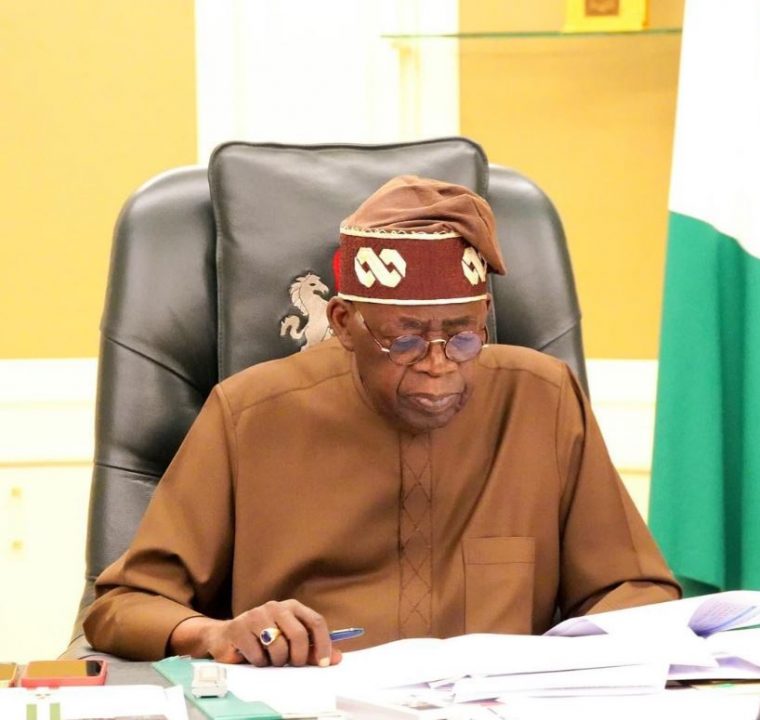
The controversy surrounding President Bola Tinubu’s proposed tax reform bills continues to generate heated debate among political parties, lawmakers, and stakeholders across Nigeria. The proposed legislation includes the Nigeria Tax Bill 2024, the Nigeria Tax Administration Bill, the Nigeria Revenue Service (Establishment) Bill, and the Joint Revenue Board (Establishment) Bill. Aimed at overhauling the nation’s tax system, the reforms propose measures such as consolidating tax laws and establishing bodies like the Tax Appeal Tribunal and the Office of the Tax Ombudsman.
Opposition and Concerns
- People’s Democratic Party (PDP): PDP representatives criticized the government for rushing the legislative process without adequate consultations. Ibrahim Abdullahi, the PDP Deputy National Publicity Secretary, emphasized that the implications of the reforms should be carefully reviewed, especially given the economic struggles faced by Nigerians.
- Labour Party: Labour Party’s presidential candidate, Peter Obi, and other representatives echoed similar sentiments, calling for transparency and public engagement in the reform process to ensure inclusivity and trust. Obi emphasized the need for public hearings to allow Nigerians to voice their concerns.
- Northern Lawmakers: Several lawmakers from Northern Nigeria expressed fears that the bills could disadvantage the region economically. They argued that accelerated passage without sufficient consultation raises suspicions about the motives behind the reforms.
- Governors’ Forum: State governors, particularly from the North, have also voiced strong opposition, citing the potential impact on revenue allocation and regional economic balance.
Presidency’s Position
The Presidency has defended the bills, asserting that the reforms aim to enhance the quality of life for Nigerians and address inefficiencies in the current tax system. Special Adviser to the President on Information and Strategy, Bayo Onanuga, dismissed claims that the reforms would disproportionately benefit states like Lagos and Rivers at the expense of others. He called for fact-based discussions and assured stakeholders that the proposed changes would not harm regional economies.
Legislative Process
Despite opposition, some lawmakers support the reforms, seeing them as an opportunity to address longstanding issues in tax administration. The Chairman of the Senate Committee on Ecology and Climate Change, Seriake Dickson, assured that public hearings would provide a platform for stakeholders to present their positions.
Way Forward
While the proposed tax reforms have the potential to improve Nigeria’s fiscal policy framework, broader consultations and public engagement are necessary to address concerns and foster trust. Stakeholders across the country are calling for a more inclusive and transparent process to ensure that the reforms align with the interests of all Nigerians.