
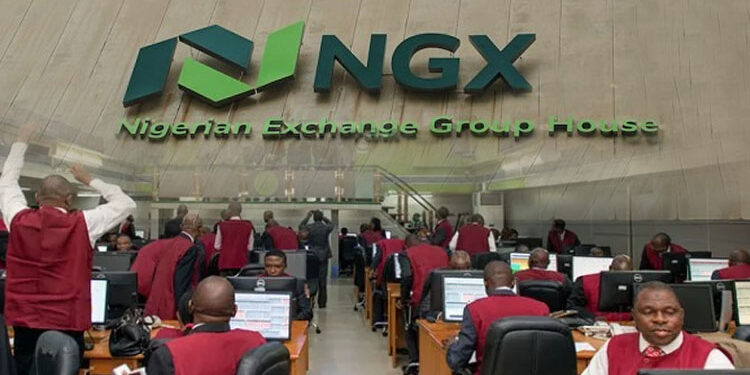
Foreign inflow into the Nigerian Exchange Limited (NGX) slumped to its lowest point in 2024, hitting ₦11.26 billion in September, according to the latest Domestic & Foreign Portfolio Investment Report by the NGX.
This decline marks a significant drop from the peak inflow of ₦54.87 billion recorded in May 2024, with experts attributing the trend to the volatile naira and Nigeria’s high-interest rate environment, which have pushed investors toward higher-yielding assets.
Foreign Investors Flee Amid Rising Outflows
While foreign inflows dwindled, outflows worsened, surging from ₦24.38 billion in August to ₦30.15 billion in September. The total foreign inflow for the first nine months of 2024 stood at ₦310.99 billion, a significant increase compared to ₦108.93 billion during the same period in 2023.
“The unstable naira and rising interest rates are driving investors away from equities,” analysts explained.
The naira traded at ₦1,652.25 per dollar on the Nigerian Autonomous Foreign Exchange Market on Friday, reflecting ongoing currency instability. Meanwhile, the Central Bank of Nigeria’s (CBN) benchmark interest rate remains at 27.25%, with projections of further hikes as inflation soars to 33.88% in October.
Domestic Investors Dominate NGX Transactions
Despite the challenges in foreign participation, the total transaction volume at the NGX rose sharply in September, increasing by 29.9% to ₦493.01 billion from ₦379.52 billion in August. Year-on-year, this represents a 66.67% growth compared to September 2023’s ₦295.80 billion.
Domestic investors accounted for 84% of total transactions in September, with their activity surging by 40.23% from ₦322.05 billion in August to ₦451.60 billion in September. Retail investors outperformed institutional investors, with retail transactions jumping by 59.42% to ₦288.10 billion.
Implications for the Market
The NGX data underscores a significant shift in market dynamics, as foreign transactions shrank by 27.95% month-on-month, dropping from ₦57.47 billion in August to ₦41.41 billion in September.
The dwindling foreign investment and soaring domestic activity could reflect broader investor sentiment amid Nigeria’s economic challenges. The combination of inflation, currency devaluation, and monetary tightening will likely shape the market’s trajectory in the coming months.
As investors navigate these headwinds, the NGX remains a critical barometer for gauging the resilience of Nigeria’s financial market in an increasingly volatile economic landscape.