
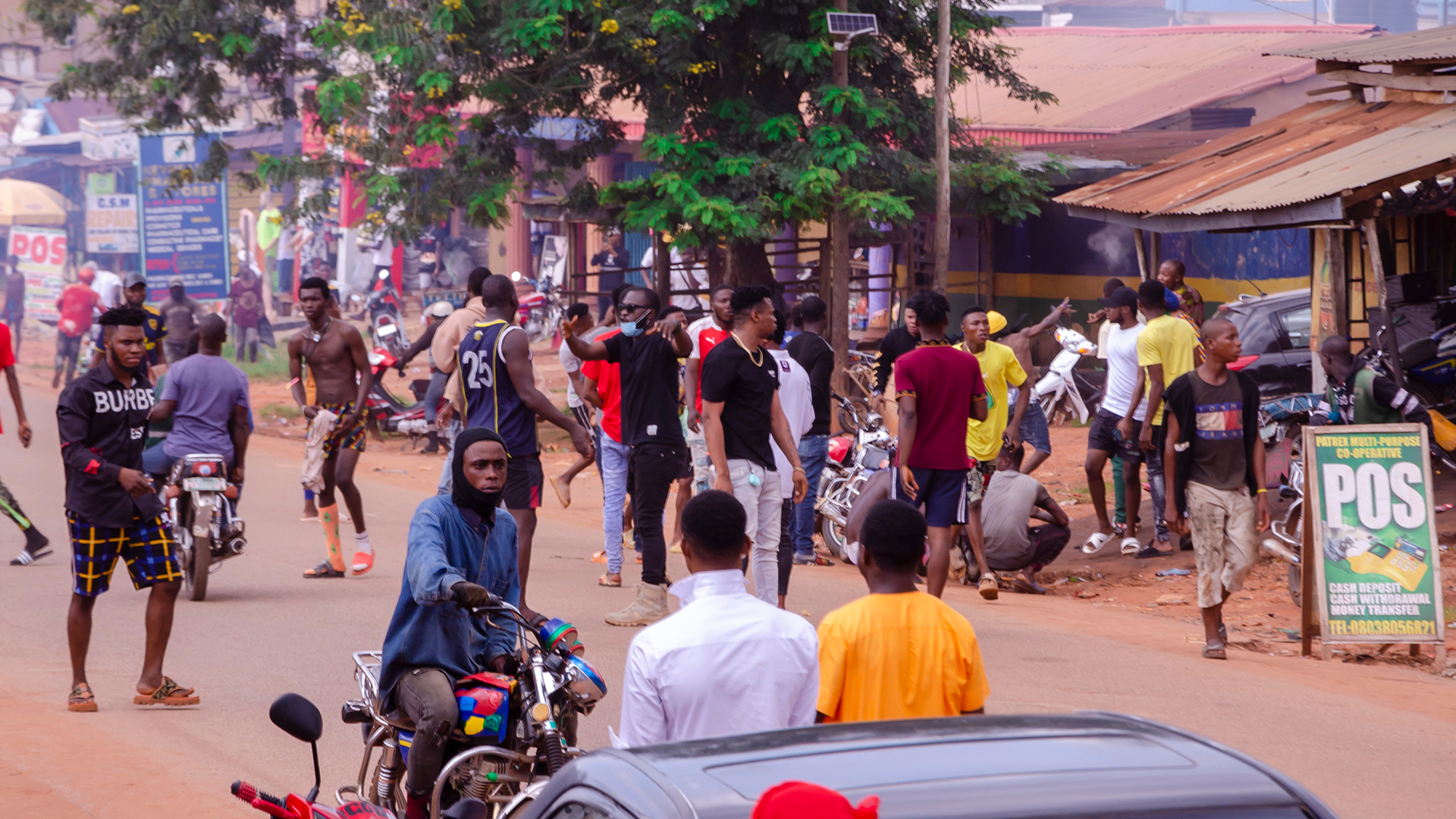
A new report by International Christian Concern has raised serious allegations of a coordinated cover-up of violence against Christians in Nigeria, claiming that millions of dollars may have been spent to distort global narratives around the crisis.
According to the report, the situation has been described as a “genocide cover-up,” with claims that the Nigerian government has downplayed or misrepresented the scale and nature of ongoing attacks in parts of the country.
The report further alleges that since 2009, at least 190,000 people have been killed in violence across Nigeria, with approximately 70 per cent of victims believed to be Christians. It suggests that communities in northern Nigeria have been disproportionately affected by targeted attacks.
Floyd Brobbel of The Voice of the Martyrs Canada was quoted as saying that Christian communities in northern Nigeria have long raised concerns that authorities are not doing enough to address insecurity and violence in the region.
The report also claims that extremist groups, including Boko Haram and armed Fulani militants, have been responsible for repeated assaults on rural Christian communities as part of broader instability and ideological goals.
It further alleges that Nigerian authorities have sometimes framed the violence as general insecurity, regional conflict, or environmental pressure such as climate-related displacement, rather than religiously motivated persecution.
The report calls for increased international attention and accountability, urging governments and global institutions to scrutinise Nigeria’s response to ongoing violence.
Christian advocacy voices also encouraged global believers to intensify prayers and support for affected communities, calling for protection of displaced persons and strength for survivors in conflict-affected regions.
They also urged prayers for peace, reconciliation, and transformation among extremist actors, expressing hope for reduced violence and improved religious coexistence in the region.
The claims have not been independently verified, and Nigerian authorities have consistently maintained that insecurity in the country is driven by a mix of criminal, economic, and communal factors rather than religious persecution alone.