
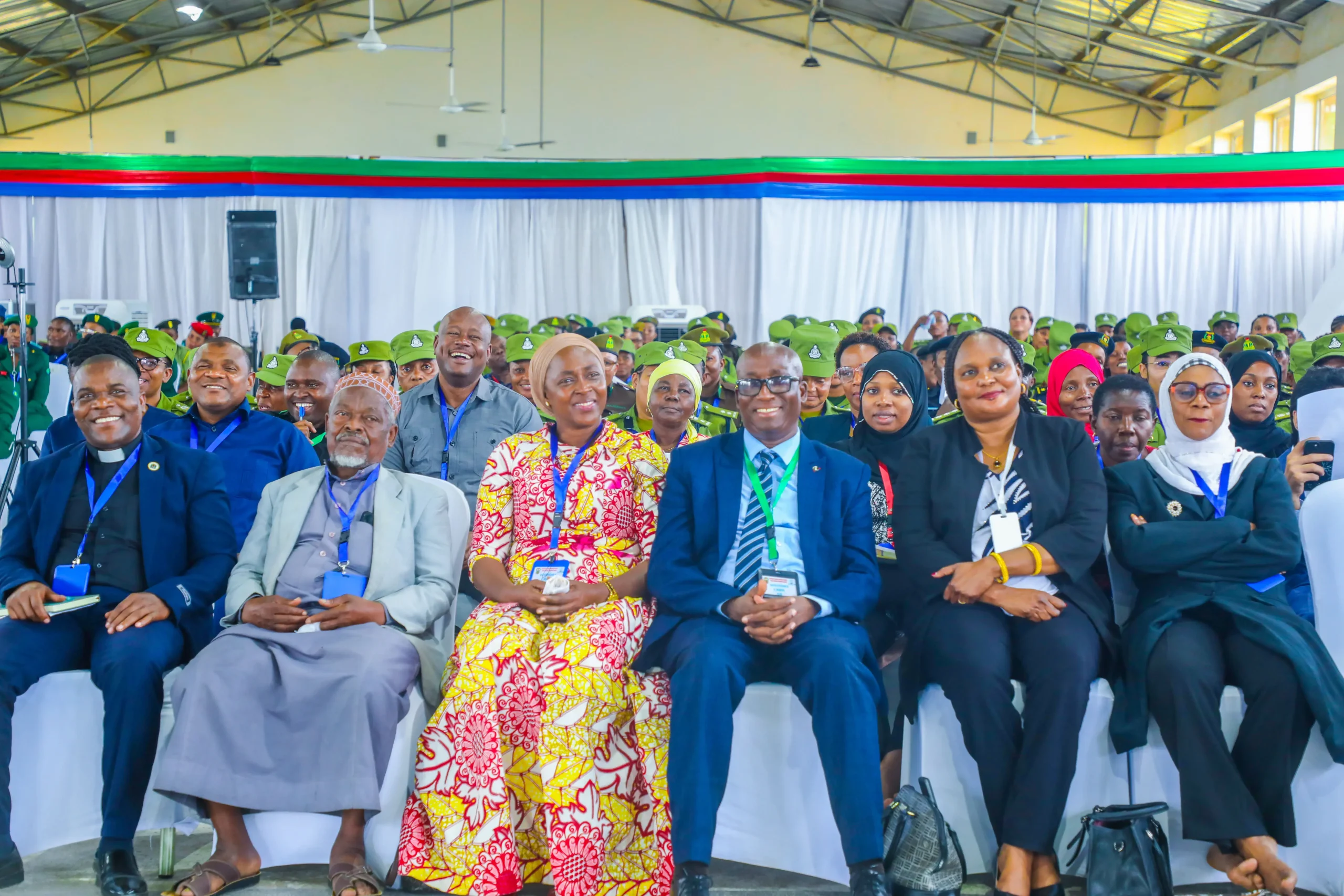
The Federal Government has inaugurated Nigeria’s Third National Action Plan (NAP III) for the implementation of the United Nations Security Council Resolution (UNSCR) 1325 on Women, Peace and Security, reaffirming its commitment to gender inclusion, equality and sustainable peace.
The NAP III (2024–2028) was inaugurated in Abuja by the First Lady, Senator Oluremi Tinubu, through her representative, the wife of the Deputy Senate President, Laila Barau. The initiative was spearheaded by the Ministry of Women Affairs and Social Development.
Speaking at the event, the First Lady said UNSCR 1325, adopted 25 years ago, marked a global recognition that women must play active roles in peacebuilding and security processes, rather than remain on the sidelines.
“Nigeria embraced this vision through the launch of the first and second national action plans,” she said. “Today, guided by President Bola Tinubu’s Renewed Hope Agenda, which prioritises inclusion, stability and collective progress, we move forward with our third national action plan.”
She noted that despite progress recorded over the years, women and girls in communities affected by insecurity continue to face serious challenges.
“In these difficult times, Nigerian women continue to show remarkable resilience — mediating conflicts, rebuilding communities and caring for their families,” she said.
According to her, the strength of women underscores the need to keep the women, peace and security agenda at the centre of national priorities.
She urged stakeholders, particularly state governments, to drive the implementation of the action plan with urgency, while calling on security agencies to deepen gender-sensitive reforms. She also appealed to traditional and religious leaders to use their influence to protect women and children, and encouraged men and boys to support the creation of a fair and inclusive society.
In her remarks, the Minister of Women Affairs and Social Development, Imaan Ibrahim-Sulaiman, said Nigeria domesticated UNSCR 1325 with its first National Action Plan in 2013 and consolidated early gains with the second plan in 2017.
She explained that the newly launched NAP III, approved by President Tinubu, aligns Nigeria’s commitments with current global realities and firmly anchors them within the Renewed Hope Agenda.
“This framework places women, children, families and vulnerable groups at the heart of national stability, inclusive governance and sustainable peace,” she said.
The minister commended the First Lady for providing leadership that reflects national ownership of the NAP III, and praised the President for prioritising social inclusion, human security and gender-responsive governance.
She also announced the inauguration of a National Technical Working Committee on Women, Peace and Security, chaired by the Ministry, to coordinate implementation, monitoring and accountability nationwide.
According to her, the plan will be localised across all 36 states and the Federal Capital Territory through the Social Impact Intervention 774 initiative to ensure grassroots participation and ownership.
She acknowledged the support of stakeholders, including the National Assembly, UN Women, the governments of Norway and Germany, and the Tetra Tech SPRiNG Programme, whose technical assistance contributed to the development of the plan.
Also speaking, Programme Manager for Women, Peace and Security at UN Women, Mr Peter Mancha, said the NAP III is built on five pillars: prevention and disaster preparedness; participation and representation; protection and prosecution; crisis management, early recovery and post-conflict reconstruction; and partnership, coordination and management.
Mancha explained that the third action plan was developed to address shortcomings identified in the first and second plans, such as limited awareness, weak political will, inadequate funding and poor coordination.
He said the Federal Ministry of Women Affairs adopted a multi-sectoral and participatory approach in developing NAP III, engaging stakeholders across the six geopolitical zones and involving legislators — a departure from previous plans.
According to him, the endorsement of NAP III by the President, the National Assembly and heads of security institutions reflects stronger ownership and commitment to its successful implementation.
“This time, we expect a real shift — one driven by government and owned by the Nigerian people,” Mancha said.