
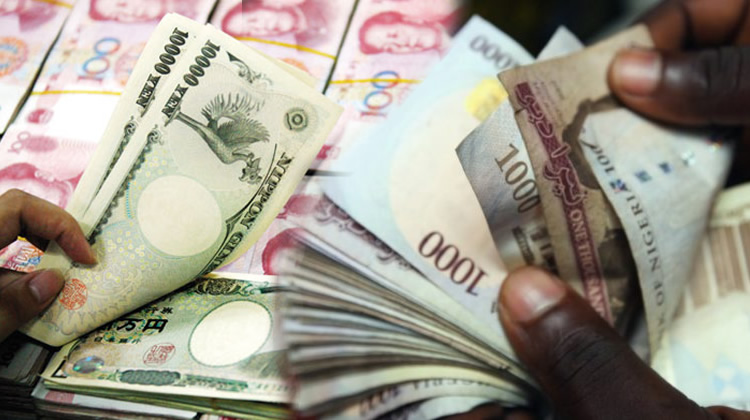
Abuja, April 22, 2025 — The total amount of naira in circulation in Nigeria fell to N5 trillion in March 2025, representing a decline from N5.04 trillion in February and N5.24 trillion in January, according to the latest figures released by the Central Bank of Nigeria (CBN).
The data, published on the CBN’s official website, reflects a continued downward trend in physical currency circulating within the economy. Naira in circulation refers to the total amount of physical currency available for transactions, savings, and investments, outside the banking system.
The sustained decline is seen as part of broader monetary policy efforts to curb inflationary pressures and ensure macroeconomic stability.
In contrast, the apex bank’s reserves held by commercial banks increased steadily over the same period. Bank reserves rose to N28.52 billion in March, up from N27.57 billion in February and N27.43 billion in January, highlighting the CBN’s intent to strengthen liquidity buffers within the financial system.
Special intervention reserves remained unchanged at N284.36 million throughout the three-month period.
Bank reserves are critical to the overall health of the financial sector, serving as a cushion to meet liquidity demands and enhance confidence in the banking system. The uptick in reserves is consistent with the CBN’s recent policy stance to shore up financial stability.
Comparatively, a year ago, the volume of currency in circulation was lower. As of March 2024, The PUNCH reported the naira in circulation stood at N3.87 trillion, up from N3.69 trillion in February and N3.65 trillion in January. The increase last year was accompanied by a similar upward trend in currency outside banks, which rose from N3.28 trillion in January 2024 to N3.63 trillion by March.
Meanwhile, the broader money supply — which includes naira in circulation, demand deposits, and other forms of liquid assets — saw its first decline in 2025. It fell to N110.32 trillion in February from N110.94 trillion in January, marking a 0.56 percent month-on-month decrease. The decline signals the apex bank’s continued push to tighten monetary conditions in the face of inflationary risks and foreign exchange market volatility.
The figures underscore the CBN’s strategic balancing act of tightening liquidity while safeguarding financial stability, as Nigeria grapples with domestic inflation and global economic headwinds.