
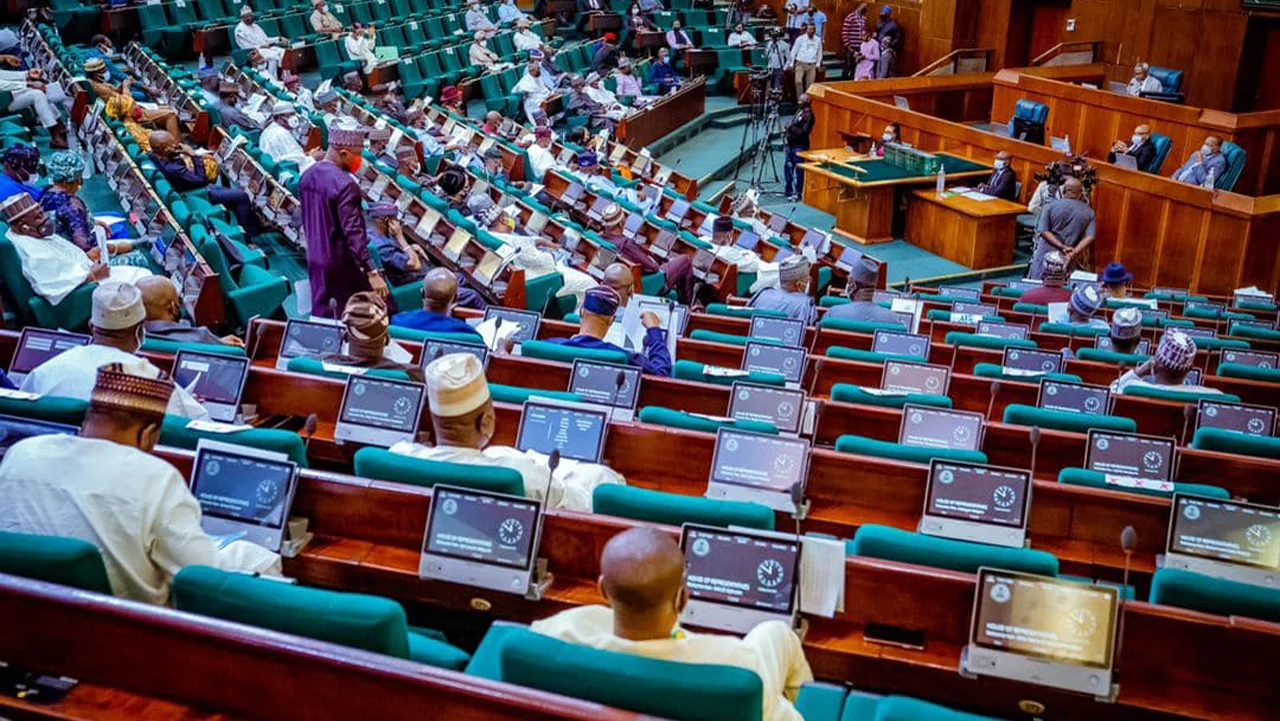
A bill seeking to amend the 1999 Constitution to allow citizenship by investment has passed its second reading in the House of Representatives.
The proposed legislation, known as the Citizenship by Investment Bill, aims to create a new category of citizenship for foreign investors who meet specific financial and strategic investment thresholds in Nigeria.
Sponsored by Deputy Speaker Benjamin Kalu and other lawmakers, the bill was presented for its second reading by the House Leader, Prof. Julius Ihonvbere, as part of the ongoing constitutional amendment process.
According to the bill’s provisions, foreign nationals who make substantial investments in key sectors of the Nigerian economy will be eligible to acquire Nigerian citizenship. The measure is aimed at attracting foreign direct investment (FDI) and fostering economic growth by incentivizing investors with the opportunity to obtain legal residency and citizenship.
Other Constitutional Amendment Bills Under Review
The House also deliberated on several other constitutional amendment bills, including one that seeks to grant indigene status to individuals based on birth, long-term residence, or marriage.
The Indigene Status Bill proposes to amend Section 31 of the Constitution by introducing new provisions that would allow a person to be recognized as an indigene if:
- They were born in a state and have lived there continuously for at least 10 years.
- They have resided in a local government area of the state for at least 10 years and can provide proof of tax payment during that period.
The bill also includes provisions for women married to indigenes. A woman married to a man from another state for five years would automatically qualify as an indigene of her spouse’s state. In cases of divorce or widowhood, the woman would retain her indigene status if she chooses to or if there are children from the marriage.
Review of Death Penalty and Capital Offences
Another key proposal seeks to review the death penalty and other punishments for capital offences. The bill aims to align Nigeria’s criminal justice system with international best practices, emphasizing fairness, proportionality, and human rights.
The legislation suggests modifying current penalties to reflect global standards while maintaining public safety and addressing serious crimes effectively.
Creation of Separate Accountant-General Offices
The House also considered a bill proposing to establish two distinct offices:
- The Accountant-General of the Federation – responsible for managing federal revenue shared across the three tiers of government.
- The Accountant-General of the Federal Government – responsible for the financial management of federal government accounts.
Under the proposed amendment, the Accountant-General of the Federal Government would serve a four-year term, renewable for an additional four years, subject to presidential approval. The officeholder would remain in office until reaching 60 years of age or completing 35 years of public service, whichever comes first.
Next Steps
The bills will proceed to the committee stage for further deliberation and possible modifications before being returned to the House for a third reading and final passage. If approved, they will require the support of two-thirds of both chambers of the National Assembly and ratification by two-thirds of the state assemblies to become law.
The proposed amendments reflect ongoing efforts to modernize Nigeria’s legal framework, attract foreign investment, and address long-standing issues related to citizenship, indigeneity, and criminal justice.