
By Kolawole Ogunlana
Senior Product Designer
In recent years, Artificial Intelligence (AI) and Machine Learning (ML) have revolutionised industries across the globe, and Nigeria is no exception. As technology becomes more embedded in our daily lives, the way users interact with digital products is rapidly evolving. The integration of AI and ML into UX design is no longer a futuristic idea—it is happening now, transforming how Nigerian designers create intuitive, user-friendly, and accessible experiences.
The Nigerian digital landscape is booming, with fintech, e-commerce, edtech, and Healthtech startups gaining traction. As more users adopt digital platforms, businesses must prioritise UX to stay competitive. AI and ML are playing a crucial role in this transformation by enabling smarter, more personalised, and efficient design processes. But what does this mean for product designers, businesses, and end-users in Nigeria?
The Rise of AI-Driven Personalisation
One of the biggest advantages of AI in UX design is personalisation. Nigerian users, like their global counterparts, expect tailored experiences when interacting with digital products. AI-driven personalisation analyses user data, behaviour, and preferences to deliver customised recommendations, content, and interfaces.
For instance, fintech apps such as Kuda and Flutterwave use AI algorithms to analyse spending patterns and suggest budgeting strategies. E-commerce platforms like Jumia leverage AI to recommend products based on past purchases and browsing history. By integrating machine learning models, these platforms can anticipate user needs and improve engagement, ultimately increasing customer retention.
In the Nigerian market, where customer trust is still growing in digital solutions, personalisation can help businesses build stronger relationships with users. AI-driven UX ensures that customers feel understood and valued, leading to increased adoption of digital services.
AI-Powered Chatbots and Customer Support
Customer support is a critical aspect of UX, especially in Nigeria, where users often require assistance due to varying levels of digital literacy. AI-powered chatbots are transforming how businesses provide support, offering instant responses to common queries and guiding users through processes.
Companies like Paystack and Opay have integrated AI-driven chatbots into their platforms to assist users with transactions, account management, and troubleshooting. These chatbots reduce wait times and improve efficiency, ensuring that users get the help they need without the frustration of long delays.
Additionally, AI chatbots in Nigeria are becoming more sophisticated, understanding Pidgin English and local dialects. This localisation ensures that digital platforms remain inclusive and accessible to a broader audience, reducing barriers to entry for first-time users.
Machine Learning in Predictive UX Design
Predictive UX design is another groundbreaking application of AI and ML. By analysing user behaviour, ML models can anticipate what a user is likely to do next and optimise the interface accordingly.
For example, a banking app can detect when a user frequently transfers money to a particular recipient and suggest the transaction as a quick action. Similarly, streaming services like Boomplay can use ML to curate playlists based on listening habits, creating a seamless and engaging experience.
For Nigerian designers, this means moving beyond static UI elements and embracing dynamic, adaptive interfaces. ML-driven UX design reduces friction, making digital interactions more fluid and intuitive for users across different demographics.
AI in Accessibility and Inclusive Design
Nigeria’s digital space must be inclusive, catering to users with different needs and abilities. AI is playing a vital role in improving accessibility by enabling voice commands, text-to-speech conversion, and real-time language translation.
Voice assistants powered by AI, such as Google Assistant and Alexa, are helping users with disabilities navigate digital platforms hands-free. In an environment where literacy levels vary, voice-enabled UX ensures that even non-literate users can interact with digital products effectively.
AI-driven accessibility tools are also critical for reaching rural populations in Nigeria, where traditional text-based interfaces may not be effective. By incorporating AI-driven voice search and intuitive navigation, businesses can bridge the digital divide and include a wider audience in the digital revolution.
AI in UX Research and Testing
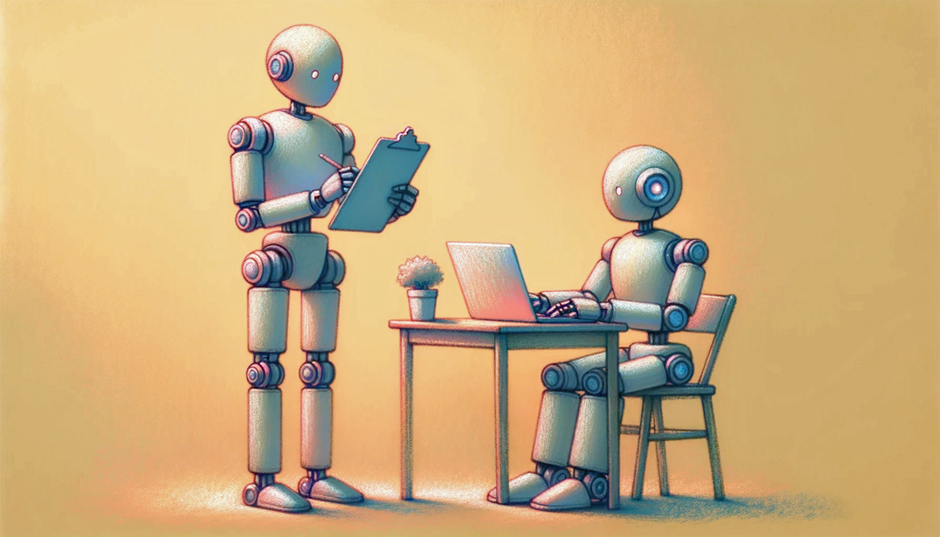
User research and testing are essential components of UX design, but they can be time-consuming and expensive. AI and ML are streamlining these processes by automating user testing, gathering real-time insights, and analysing behavioural patterns.
Traditionally, Nigerian designers relied on surveys and focus groups to understand user needs. While these methods are valuable, AI-powered analytics tools now provide deeper insights by tracking user interactions, heatmaps, and sentiment analysis.
Platforms like Hotjar and Google Analytics use AI to identify friction points in user journeys, enabling designers to make data-driven improvements. By leveraging these tools, Nigerian UX designers can make faster, more accurate decisions that enhance user satisfaction.
Ethical Considerations and Challenges
While AI and ML offer exciting opportunities, there are also challenges that Nigerian designers must address. Data privacy is a growing concern, especially as AI relies on large datasets to function effectively. Nigerian businesses must ensure compliance with data protection regulations and implement transparent policies to build user trust.
Additionally, AI models can sometimes reflect biases present in the data they are trained on. In a diverse country like Nigeria, it is crucial to develop AI-driven UX solutions that are culturally sensitive and inclusive. Designers must work towards eliminating biases to create fair and representative digital experiences.
Another challenge is the skill gap. AI and ML require specialised knowledge, and many Nigerian designers may need to upskill to fully harness these technologies. Fortunately, online courses, bootcamps, and local tech communities are providing learning opportunities to bridge this gap.
The Future of AI in UX Design in Nigeria
As Nigeria’s digital economy continues to grow, AI and ML will play an even bigger role in shaping UX design. The future will see:
- Hyper-Personalisation – AI will refine personalisation to an even greater degree, making user experiences more intuitive and seamless.
- Emotion AI – Machine learning models that analyse facial expressions and voice tones to understand user emotions and adapt interfaces accordingly.
- Augmented Reality (AR) and AI Integration – AI-powered AR experiences that enhance UX in industries like e-commerce, real estate, and education.
- Voice-First UX – An increase in AI-driven voice interfaces, making digital platforms more accessible to users with low literacy levels.
- AI Ethics and Regulation – Stricter policies around AI use, ensuring ethical design practices and responsible AI deployment in UX.
Conclusion: Embracing the AI-Driven UX Evolution
AI and ML are no longer optional in UX design—they are essential tools that Nigerian designers must embrace to remain competitive. From personalisation and chatbots to predictive design and accessibility, AI is reshaping the way users interact with digital products.
As a senior product designer in Nigeria, I see AI as an enabler rather than a replacement. It enhances creativity, streamlines workflows, and allows designers to focus on solving real-world problems. By harnessing AI ethically and responsibly, we can create digital experiences that are not only innovative but also inclusive and user-centric.
The Nigerian tech ecosystem has the talent, ambition, and resources to leverage AI for better UX. The key is to stay adaptable, continuously learn, and design with the end-user in mind. As we step into the future, AI-driven UX will not just be about making products smarter—it will be about making them more human.
The question is, are we ready to lead this revolution? I believe we are.