
The European Commission (EC) has confirmed receiving requests from Nigeria and 23 other non-OECD countries seeking eligibility to import non-hazardous waste from the European Union (EU). This request aligns with the EU’s new Waste Shipments Regulation, which is part of its Green Deal and Circular Economy Action Plan.
Understanding the New Waste Shipments Regulation
The regulation establishes stricter rules on waste exports and introduces a full ban on plastic waste exports from the EU by November 2026. Additionally, from May 2027 onwards, only countries approved by the EC will be permitted to import non-hazardous waste from the EU.
Types of Non-Hazardous Waste Involved
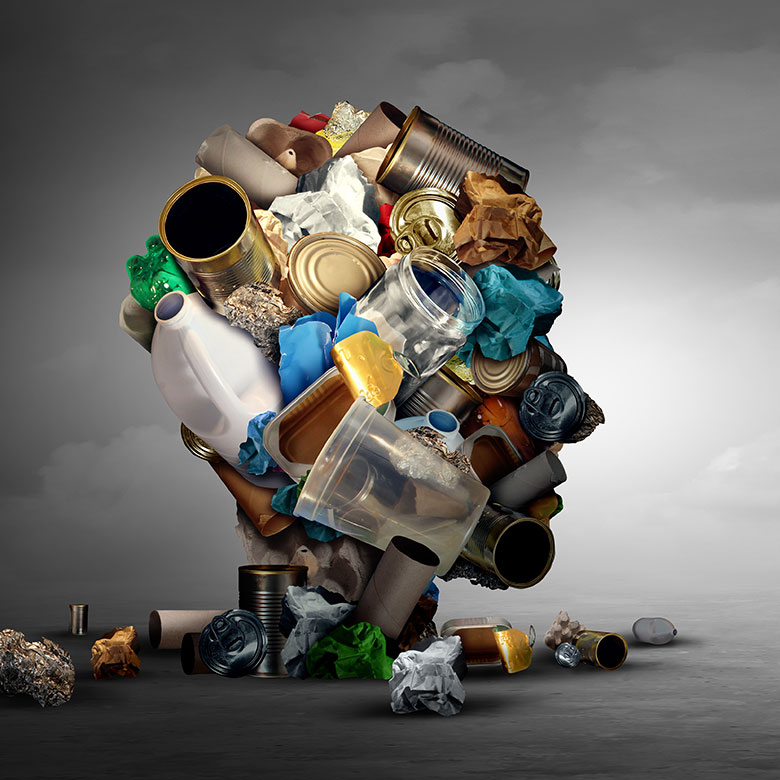
Non-hazardous waste, which makes up 95.6% of Europe’s total waste, includes:
- Municipal waste (packaging, clothing, bottles, plastics)
- Demolition waste (concrete, bricks, stones)
- Food waste
Countries That Have Applied for Eligibility
The 24 non-OECD countries that have submitted requests include:
- Africa: Nigeria, Egypt, Morocco, Tunisia, Togo
- Asia: Bangladesh, India, Indonesia, Kazakhstan, Malaysia, Pakistan, the Philippines, Saudi Arabia, Singapore, Taiwan, Thailand, Vietnam
- Europe: Bosnia and Herzegovina, Moldova, Monaco, North Macedonia, Serbia, Ukraine
- Central America: El Salvador
Approval Process and Next Steps
To gain approval, each applicant country must demonstrate its capacity to manage non-hazardous waste in an environmentally sound manner, meeting or exceeding EU standards. The European Commission will assess applications and finalize the first list of approved countries by November 2026.
From May 2027 onwards, any country not included in this list will be prohibited from importing waste from the EU.
Missed the Deadline? Late Applications Are Still Open
Countries that missed the February 2025 deadline can still apply. However, there is no guarantee their assessment will be completed before the first list is adopted in November 2026. The list will be updated every two years.
This move highlights growing global waste management concerns and the EU’s push for responsible recycling and sustainability in partner nations.